
The Autobiography of Martin Luther King, Jr
امتیاز شما
نویسنده:
Martin Luther King Jr
امتیاز شما
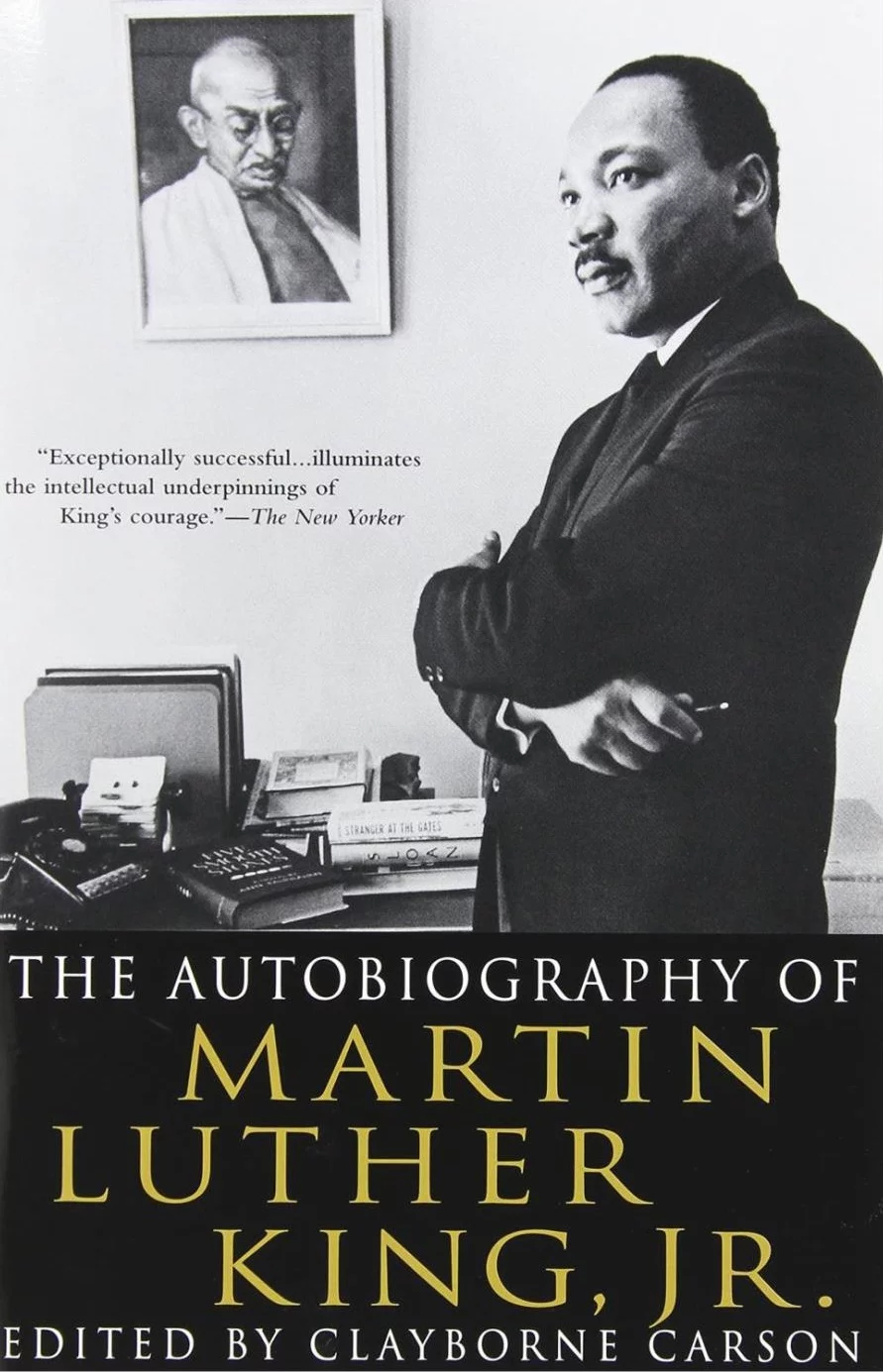
The Autobiography of Martin Luther King, Jr., compiled and edited by historian Clayborne Carson, brings together the speeches, sermons, letters, interviews, and writings of Martin Luther King Jr. to present the life and thought of one of the central figures of the American civil rights movement. Although titled an autobiography, the book was assembled from King’s own words after his death rather than written as a continuous memoir by King himself. The result is a narrative that follows his development from childhood in segregated Atlanta to his emergence as a leading voice in the struggle against racial discrimination.
Through accounts of the Montgomery bus boycott, the Birmingham campaign, the March on Washington, and the passage of civil rights legislation, the book traces the difficult relationship between moral conviction and political action. King’s commitment to nonviolent resistance, influenced by Christian theology and the ideas of Mahatma Gandhi, appears alongside his reflections on poverty, social inequality, political responsibility, and the limits of American democracy. His public achievements are presented within a broader story of personal doubt, imprisonment, threats, criticism, and the constant demands of leadership.
What distinguishes this account is the opportunity to encounter King’s ideas in his own words, rather than solely through the interpretations of later biographers. His evolving views reveal a thinker whose concerns extended beyond the end of legal segregation to questions of economic justice, militarism, and the responsibilities of a society that claims to uphold equality. The book offers both a personal record of a life shaped by the civil rights struggle and a historical perspective on the conflicts, sacrifices, and unfinished ambitions of a movement that transformed American public life.
Through accounts of the Montgomery bus boycott, the Birmingham campaign, the March on Washington, and the passage of civil rights legislation, the book traces the difficult relationship between moral conviction and political action. King’s commitment to nonviolent resistance, influenced by Christian theology and the ideas of Mahatma Gandhi, appears alongside his reflections on poverty, social inequality, political responsibility, and the limits of American democracy. His public achievements are presented within a broader story of personal doubt, imprisonment, threats, criticism, and the constant demands of leadership.
What distinguishes this account is the opportunity to encounter King’s ideas in his own words, rather than solely through the interpretations of later biographers. His evolving views reveal a thinker whose concerns extended beyond the end of legal segregation to questions of economic justice, militarism, and the responsibilities of a society that claims to uphold equality. The book offers both a personal record of a life shaped by the civil rights struggle and a historical perspective on the conflicts, sacrifices, and unfinished ambitions of a movement that transformed American public life.
آپلود شده توسط:

موسیو
1397/04/12





دیدگاههای کتاب الکترونیکی The Autobiography of Martin Luther King, Jr