
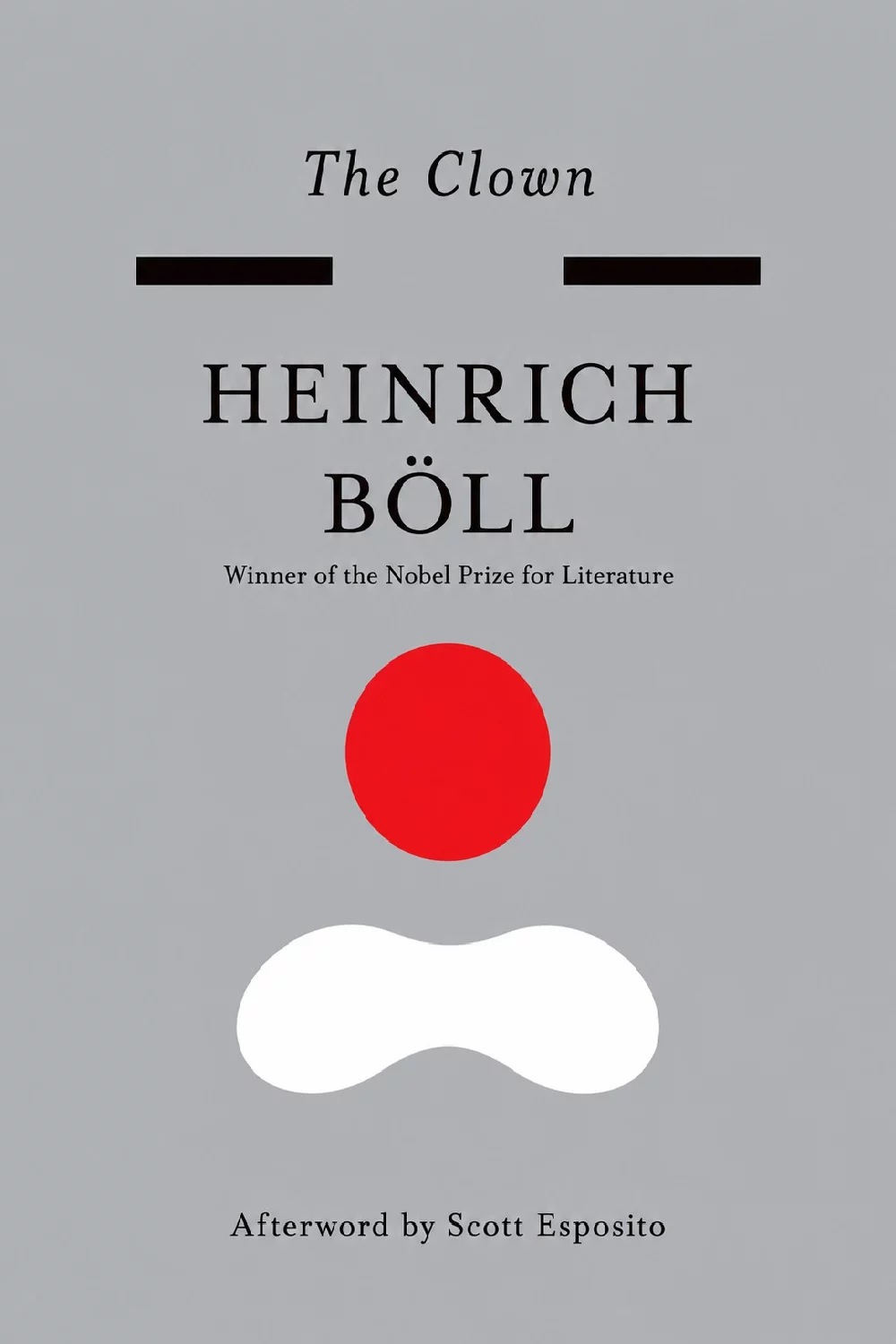
The Clown
امتیاز شما
نویسنده:
Heinrich Boll
امتیاز شما
Published in 1963, Heinrich Böll’s The Clown is a sharp and deeply personal novel about love, religion, hypocrisy, and the moral compromises of postwar Germany.
The story is narrated by Hans Schnier, a professional clown whose career is falling apart. Once a successful performer, Hans finds himself alone, financially ruined, and emotionally devastated after Marie, the woman he loves, leaves him. As he spends a long and painful day trying to make sense of his life, memories of his family, his childhood, his career, and his relationship with Marie gradually emerge.
But Hans’s crisis is not simply a private one. His disappointment with the people around him becomes a way of questioning the society in which he lives. He is particularly critical of the respectable middle-class world of postwar West Germany, where religious devotion, social respectability, and moral principles can coexist with compromise and hypocrisy. The people Hans encounters often present themselves as decent and principled, yet their actions reveal a very different picture.
Böll gives Hans the perspective of an outsider. As a clown, he is literally a performer whose job is to entertain others, yet he sees through many of the conventions that the respectable members of society take seriously. His profession also gives the novel its central irony: the man who makes people laugh is himself consumed by grief, loneliness, and anger.
Much of the novel unfolds through Hans’s memories and conversations, creating an intimate portrait of a man trying to understand where his life went wrong. His voice can be bitter, sarcastic, unreasonable, and deeply vulnerable at the same time. Böll does not turn him into a flawless moral hero; instead, Hans remains complicated, wounded, and sometimes difficult to sympathize with.
The Clown is therefore more than a story about a failed relationship. It is a confrontation between individual conscience and social conformity, and between genuine belief and the outward performance of respectability. Through the voice of one disillusioned clown, Böll examines the tensions of a society still struggling to come to terms with its recent past.
آپلود شده توسط:

موسیو
1389/12/13








دیدگاههای کتاب الکترونیکی The Clown
از متن کتاب
صاحب خانه ی ترشرو در راباز می کرد و او دیگر حتی نمی توانست بگوید:
شوهر من یک هنرمنداست، بله یک هنرمند.
هیچ!
به هیچ فکر کن
[b] من مطمئنم ک ماری حتی اگر تمام دنیا را داشته باشد باز هم یک جایی خالی را حس میکند...جای خالی یک دلقک را.[/b]
*مردم یا متوجه منظور من می شوند یا نمی شوند. من یک مفسر نیستم.
*هرگز نباید سعی در تکرار لحظات داشت ، باید آن ها را همان گونه که یک بار اتفاق افتاده اند، فقط تنها به خاطر آورد.
* دلقکی که به مشروب روی بیاورد، زودتر از یک شیروانی ساز مست سقوط میکند
آیا جداً ماری می خواست که تسوپفنر را در مراسم رسمی و جشن ها همراهی کند و با دستانش لک لباس رسمی تسوپفنر را بشوید ؟ مطمئنا این مسئله ای است که به نظر و عقیده هر آدمی مربوط می شود ، [b]ماری اما این کار شایسته تو نیست . بهتر است که به یک دلقک بی اعتقاد اعتماد کنی که تو را صبح های زود از خواب بیدار می کرد تا به موقع به مراسم دعا در کلیسا برسی .[/b]
مستقیما ب کاتولیک ها حمله میکند و برای این کارش دلایل خوبی دارد.
[b]هانس اینگونه می خواهد که دین همچون سایر فکر ها ٬ مساله ای شخصی باشد و اجازه دخالت و ورود به حریم افراد را نداشته باشد.[/b]
عقاید یک دلقک تصویری از زندگی دلقکی است ک بدون رودربایستی عقایدش را بر زبان میراند و بر تمام دورویی ها و دو رو ها میتازد.
در قسمتهایی از کتاب ماری_معشوقه اش_ را مستقیما مورد خطاب قرار میدهد و ب عقیده ی من این قسمت ها یکی ا[b]ز ناب ترین عاشقانه های عصر بی عاطفگی ها[/b]ست.
[b]این اثری یک شاهکار است...هم ب دلیل نمایش اثرات روانی پس از جنگ و اهمیت انسان و مقابله با هر چیزی که مانع انسان بودنش است و هم ب دلیل عاشقانه های ناب و معصومانه اش.
[/b]
راستش یک ویژگی هایی داشت که مثل خودم بود;-) ... مثلاخاطره ایی که بابرادرش داشت ووقتی تعریف میکرد کسی یادش نبود... انگار که اصلا اتفق نیفتاده...
به حق که لایق گرفتن نوبل بود...:-)