
Foucault and The Iranian Revolution: Gender and The Seductions of Islamism
امتیاز شما
امتیاز شما
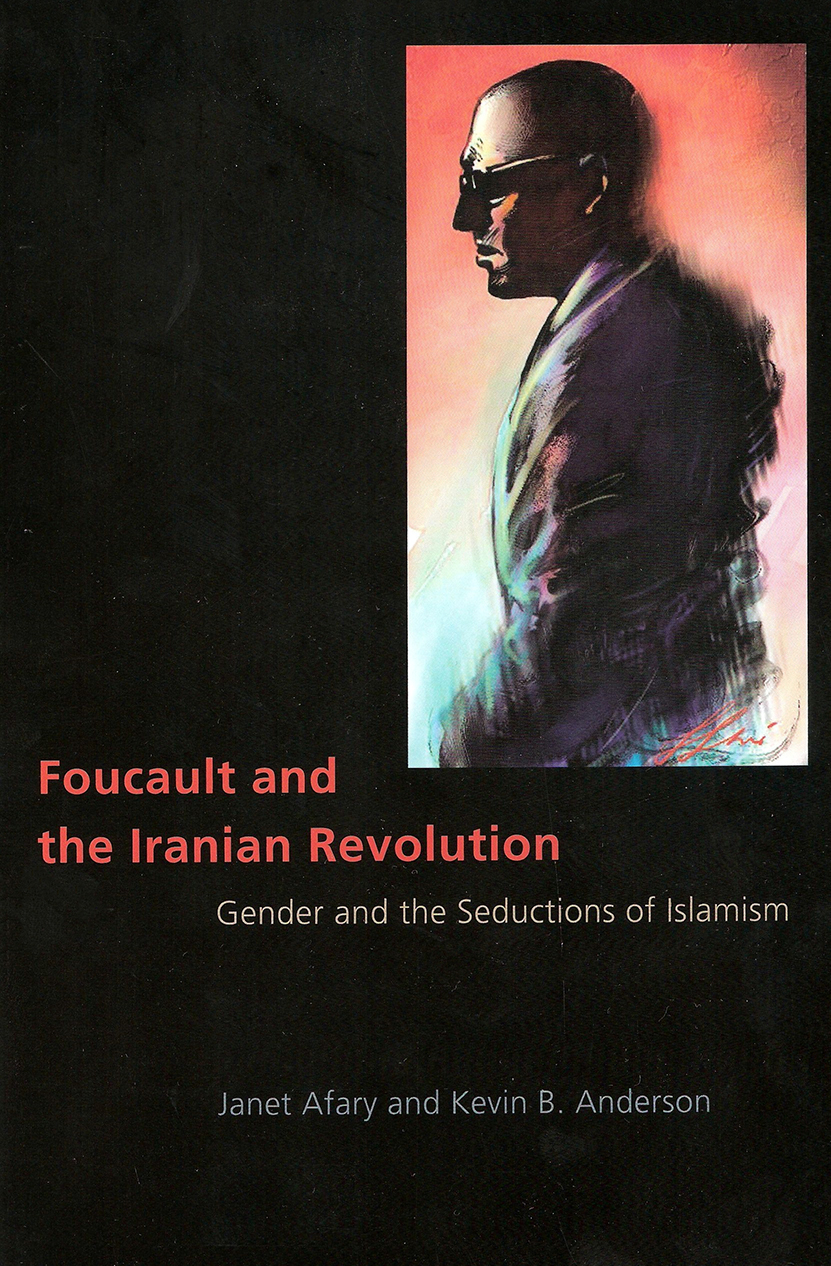
Foucault and the Iranian Revolution: Gender and the Seductions of Islamism by Janet Afary and Kevin B. Anderson examines the controversial relationship between French philosopher Michel Foucault and the Iranian Revolution of 1978–1979. In 1978, Foucault traveled to Iran as a journalist, observed the mass protests against Mohammad Reza Shah Pahlavi, and wrote a series of articles about the revolutionary movement and its aspirations. Fascinated by the possibility of a political transformation that challenged Western models of modernity, Foucault viewed the emerging movement through the lens of his philosophical interests in power, resistance, and alternative forms of political spirituality. Afary and Anderson critically analyze his interpretations of the revolution, arguing that he underestimated the authoritarian and Islamist dimensions of the movement. Drawing on historical evidence, feminist perspectives, and Foucault’s own writings, they explore the tensions between his philosophical ideas and the political realities unfolding in Iran.
The book goes beyond Foucault’s initial response to the revolution to investigate its implications for his broader intellectual development, particularly his views on modernity, gender, sexuality, and the relationship between Western societies and non-Western cultures. The authors examine contemporary criticisms of Foucault’s journalism, including objections raised by feminists and scholars who warned about the potential consequences of an Islamist political order, especially for women’s rights. The volume also includes annotated English translations of Foucault’s writings and interviews on Iran, alongside responses from some of his critics, making it a valuable resource for readers interested in examining the original sources. Published in 2005, this scholarly and often contentious work brings together intellectual history, political theory, Iranian history, and feminist analysis. It invites readers to reconsider the responsibilities of public intellectuals, the dangers of idealizing revolutionary movements, and the complex relationship between philosophical ideals and political realities.
The book goes beyond Foucault’s initial response to the revolution to investigate its implications for his broader intellectual development, particularly his views on modernity, gender, sexuality, and the relationship between Western societies and non-Western cultures. The authors examine contemporary criticisms of Foucault’s journalism, including objections raised by feminists and scholars who warned about the potential consequences of an Islamist political order, especially for women’s rights. The volume also includes annotated English translations of Foucault’s writings and interviews on Iran, alongside responses from some of his critics, making it a valuable resource for readers interested in examining the original sources. Published in 2005, this scholarly and often contentious work brings together intellectual history, political theory, Iranian history, and feminist analysis. It invites readers to reconsider the responsibilities of public intellectuals, the dangers of idealizing revolutionary movements, and the complex relationship between philosophical ideals and political realities.
آپلود شده توسط:

موسیو
1397/07/06






دیدگاههای کتاب الکترونیکی Foucault and The Iranian Revolution: Gender and The Seductions of Islamism